
Yesterday was my first official foraging expedition of the season. That's not to say I haven't picked a garlic mustard leaf here and there, but yesterday was my first big haul: Japanese knotweed.
Also known as
Polygonum cuspidatum or
Fallopia japonica, some people think knotweed is bamboo because of its invasive growth habit and jointed stems. It grows best in moist soils, but knotweed can survive in a WIDE variety of growing conditions. Years ago it was touted for erosion control and as a wind break. Oops! Now it's well on its way to taking over the planet.
Japanese knotweed muscles its way up through the earth in spring. It’s a thick spear of growth, mottled with red, like asparagus on steroids with a sunburn. Before it starts to branch it’s very tasty; after, the stems are so tough that you have to peel them to eat them. That’s too much work for me, so I harvest early. Knotweed grows fast; within a few days it’s gone from tender to tough, so when you see the first spears poke up, don’t dawdle.
Which brings me to a sticky wicket. You're going to read a lot about foraging in my posts because it's one of my favorite things to do. Trouble is, foraging in NYC can be tricky because it isn't exactly legal. NYC Park Rangers can write tickets for removing plant material from city parks; the maximum fine is $1000. I sincerely doubt any self respecting park ranger would do that for knotweed (ranked HIGH on the Audubon Society's list of most invasive plants) but should you run into a ranger who is behind on his ticket quota...well, be forewarned.
That's why I harvest with a friend. Not only is it more fun, but it helps to have a look-out, right Leda? In the more remote parts of our city parks this won't be necessary. But in busier spots, remember that not everyone understands or appreciates wild edibles. Also remember: no ranger has the right to look in your back pack without probable cause.
Knotweed is an easy crop to harvest; you can gather 5 lbs in under 10 minutes. It can be used in place of rhubarb in pies, sauces, jams, and it also makes a delicious soup and one of my favorite wild wines. People compare it to asparagus, but I think that's because of the visual; it has a very distinct, tart taste.

When I get my harvest home the first thing I do is soak and rinse. For some reason, there are always a few ants among the knotweed. Above, on the left are the harvested stems. On the right are the prepared stems, with their leaves removed. I reserve 3 lbs for wine and divide the rest into 1 lb bundles. Some goes for soup, some for pies, some for stirfries.
If you've been thinking about trying wild edibles, knotweed is a great plant to start with. There are no poisonous look-alikes, and it's so plentiful you don't have to feel guilty about harvesting it to satisfy your personal appetite. Go ahead and take the first step. But do it now, while the knotweed is tender and the getting is good!
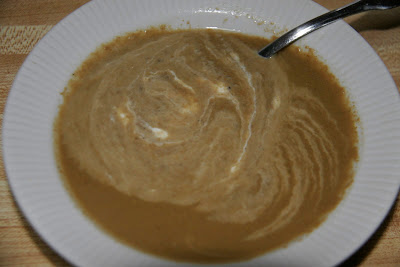 Potage de Polygonum
Coarsely chop one pound knotweed stalks, one large clove of garlic, and half an onion. In a large pot, combine these three ingredients and add four cups of chicken stock. Bring to a boil, then reduce heat and simmer for about ten minutes, till everything is tender. Puree the mixture in a blender or food processor, then add 1/2 teaspoon dry dill or caraway, and salt and pepper to taste. Return the soup to the pot and reheat. It should be a little thinner than pea soup; if it’s too thick, add a little water and stir. Serve hot or chilled, with a swirl of sour cream or yogurt.




 Posts


