


 What does this New York City garden writer do on vacation? Visit gardens of course. Helen Dillon's garden in a residential section of Dublin, Ireland is open to the public for 5Euros a visit. Dillon is a garden writer, lecturer, TV person, and thoroughly opinionated gardener, the best kind. This is not an estate garden but a home with nice sized plots in back and front yards, all within sight of the neighbors homes.
 Rare and common plants are crowded in together,in soil amended with homemade compost. Ireland, an island nation, has a maritime climate with mild winters and summers, Dublin averaging 47 degrees F. in winter and 67F in summer.
 Above the tree poppy, (Romneya coulteri) native to southern CA and Mexico, and winner of the Royal Hort Society Award of Garden Merit. This woody sub-shrub is perennial in Dillon's garden but would not be for me here in NYC. To start from seed it requires wild fire, and The Tree of Life Nursery in Calif. lights pine needles atop planted seeds to get them to germinate.
 The bachelor buttons and many other annuals, perennials, and bulbs surrounding the pool are actually planted in unobtrusive pots, then moved around to fill in holes where certain plants have gone by.
  This garden is always lush. I've used the same technique in all of my gardens but never to this extent. Amazing.
  Below find my dear friend Dr. Diana W. from Wales amidst the pots and the flora.
 With daughter Jen, on our way to see the alligators,
 the birds,
 the rivers of saw-grass in the Shark River Slough,
 the Bromelia, all in Everglades National Park. But a person's got to eat, and we understood from the Park website that there is no food offered in the park. Not true but what's a park without a picnic?
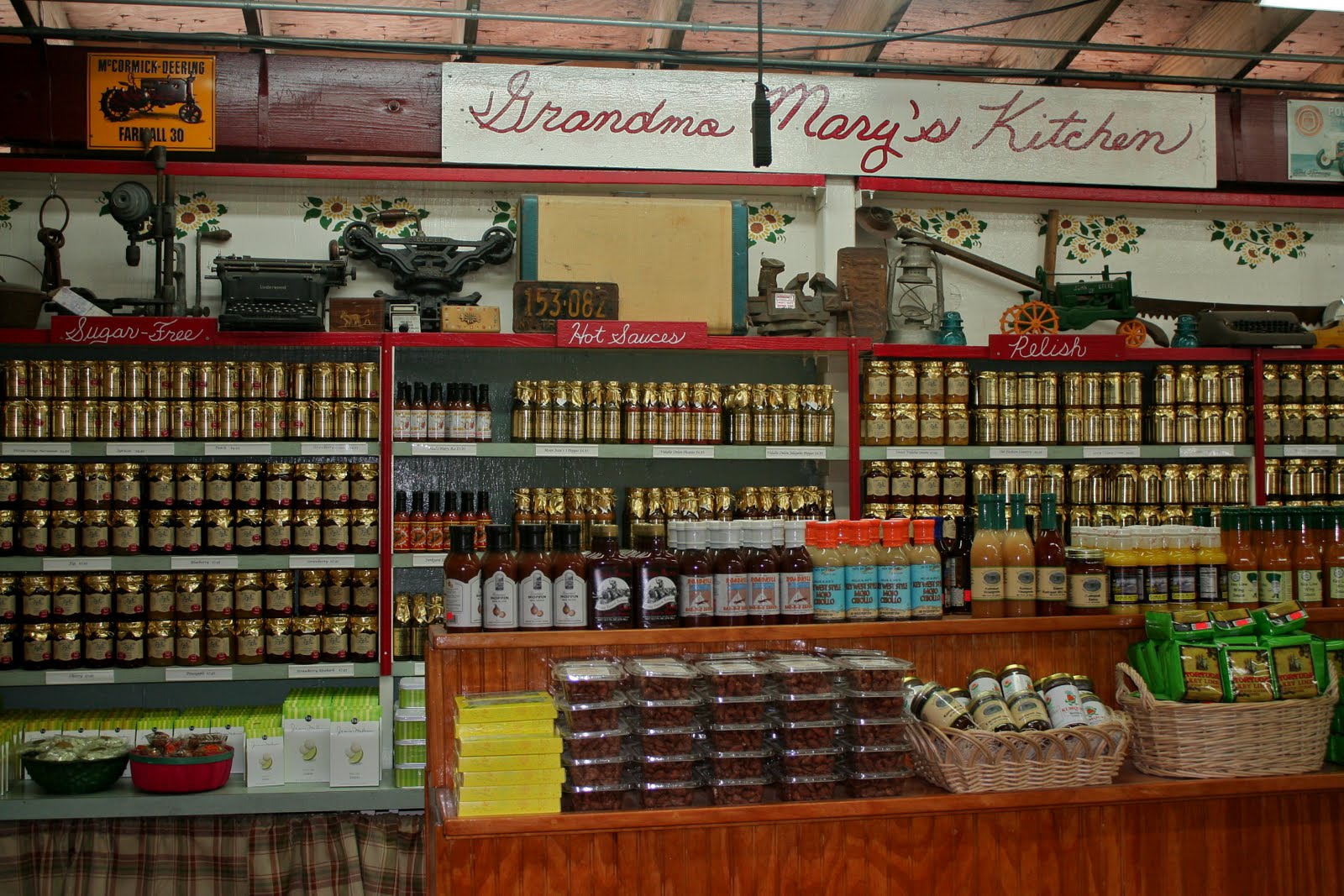
 We ate at the Market Restaurant at the wholesale food market, but the real find in Homestead FL, between our historic hotel and the Park entrance is the Robert is Here fruit stand.
 So we buy an avocado, a ripe mango, little tomatoes, a grapefruit, a huge bag of shelled pecans, and more. The lovely woman at the checkout, asked when we were planning to eat the fruit and then exchanged our avocado for a perfectly ripe one. She also asked if she could cut the mango for us; I learned from the master how best to do that.
 And where they have the "southernmost purple martin houses in the USA".
 (double click on any image to enlarge)
 Because there are not a
 June, butterfly weed, honeysuckle, milkweed,
 this is a managed park. Yuccas spike the landscape; many are newly planted.
  Buddlia and coreopsis attract butterflies. Another unexpected plant was the prickly Pear Cactus. I don't normally think of it as a New York City wildflower. I learned it grows wild from MA to FL and north to MN, but I never imagined cactus juxtaposed with JFK.
 To learn more, get directions, and a schedule of guided walks and nature programs visit: the National Parks site. Take your Deep Woods Off when you visit.
 Above, volunteer bachelor buttons with the David Austin rose 'Crown Princess Margareta'
 roof were plucking the tomatoes
 Instead of using chemical weed control, find a couple of kids who are plenty
 their dance class to begin,one who’s fidgeting while you




 Posts
All Comments
Posts
All Comments

© Blogger template Joy by Ourblogtemplates.com 2008
Back to TOP


